

The Eastern Cape has reaffirmed its commitment to strengthening tourism cooperation with the Free State and Northern Cape, following the Tri-Province Tourism Month Launch held in Colesberg on 31 August 2026.
The initiative seeks to connect the three provinces’ distinctive tourism offerings, strengthen destination marketing, grow demand and create greater opportunities for local businesses and communities across the tourism value chain.
Speaking at the launch, Eastern Cape MEC for Economic Development, Environmental Affairs and Tourism, Nonkqubela Pieters, said the partnership recognises that visitors do not plan their journeys around provincial boundaries. “Provincial boundaries matter for administration but they should never limit our imagination because tourists do not plan their memories around border signs.”
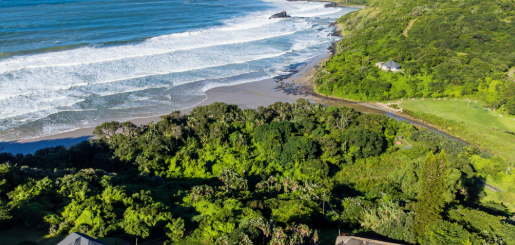
The Free State brings heritage, culture, welcoming towns, and central connections; the Northern Cape contributes its Karoo landscapes, astronomy, conservation, and adventure; while the Eastern Cape adds its coastline, Wild Coast, wildlife, heritage, culture, food, adventure, and Karoo heartland.
MEC Pieters said the provinces can retain their individual identities while creating a stronger regional tourism proposition. “The goal is not sameness but complementarity, where one province can create the reason to start a trip, the next can create the reason to extend it and the third can create the reason to return.”
The collaboration is intended to move beyond joint promotion towards practical tourism packages, connected itineraries and stronger referrals between tourism operators. Digital platforms will be important in helping visitors move from discovering a destination to finding useful information and making bookings.
This approach aligns with the 2026 Tourism Month theme, “Growing South Africa’s Tourism Sector in the Digital Era,” as digital innovation and artificial intelligence increasingly influence how visitors discover, compare, and plan travel.
MEC Pieters emphasised that technology must also support smaller and emerging tourism businesses. “Technology must still serve people and should never widen the gap between established businesses and emerging enterprises.”
The hosted media programme forms part of the initiative by giving journalists and content creators first-hand exposure to the route and opportunities to engage with tourism businesses, communities and conservation initiatives.
Lake Gariep remains a key regional tourism asset. The Lake Gariep Initiative has secured funding for pre-feasibility studies to assess tourism demand, infrastructure requirements,
environmental considerations, investment opportunities and potential community benefits.
Within the Eastern Cape, Graaff-Reinet and Camdeboo provide a gateway from the Colesberg and Lake Gariep route into the province’s broader tourism offering, including the Valley of Desolation, stargazing, local food, conservation, coastal routes, nature reserves, heritage sites and community experiences.
MEC Pieters said tourism promotion must be linked to real economic opportunities.
“Tourism promotion is not only a destination marketing exercise; it is an economic intervention.” She cautioned that visibility alone does not create jobs and that tourism promotion must be supported by market-ready products, reliable access, quality service, visitor safety, accurate online information and bookable experiences.
The MEC said the partnership should ultimately be judged by its practical outcomes.
“We must also look at the routes that reach the market, the products that gain exposure, the enquiries that turn into bookings, the visitor stays that become longer and the spending that circulates in local communities.”
The three provinces will therefore continue working towards stronger tourism routes, shared storytelling, practical partnerships and greater market access, while ensuring that tourism growth is sustainable, inclusive and beneficial to local communities.
“Our maps can guide administration, but our experiences must guide travel.”